
Traumatic Brain Injury
WHAT IS A BRAIN INJURY?
There are 2 types of acquired brain injury: traumatic and non-traumatic brain injuries
A traumatic brain injury or TBI happens when there are forces exert on the brain which causes damages. Common causes are: falls, car accidents, blows to the head (gunshot wounds, violence/abuse, sport injuries etc). There are two types: close head injury and penetrating injury.
A non-traumatic brain injury happens when there is internal damage to the brain, such as lack of oxygen, exposure to toxins, pressure from a tumor. Common causes are: stroke, brain tumor, infectious disease, meningitis (inflammation of the lining of the brain), drug overdose, neurotoxin poisoning.
SEVERITY OF BRAIN INJURY
Mild Brain Injury
- Brief, if any, loss of consciousness
- Vomiting & Dizziness
- Lethargy
- Memory loss
Moderate Brain Injury
- Unconsciousness up to 24 hours
- Signs of brain trauma
- Contusions or bleeding
- Signs of injury on neuroimaging
Severe Brain Injury
- Unconsciousness over 24 hours
- No sleep/wake cycle during loss of consciousness
- Signs of injury on neuroimaging
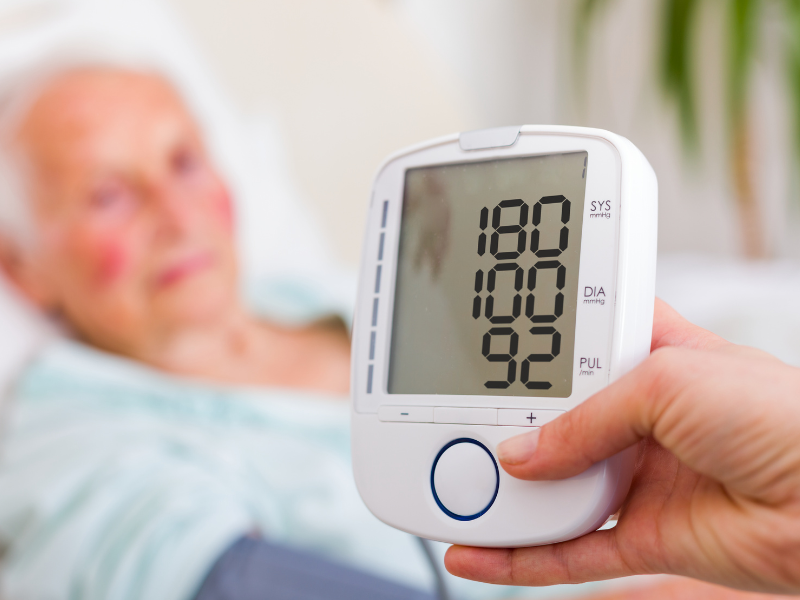
SIGNS & SYMPTOMS
Physical symptoms
- Weakness of the arm, leg, trunk, head
- Difficulty with functional movements like transferring, walking, balancing
- Abnormal muscle tone or posturing
Cognitive/Behavioral symptoms:
- Memory loss or difficulty
- Behavioral changes
- Difficulty with concentration
- Poor safety awareness
- Difficulty controlling emotions
- Personality changes
Sensory symptoms:
- Vision changes
- Hearing difficulty
- Loss or decreased sensation
- Off balance
- Headaches
HOW CAN A PHYSICAL THERAPIST (PT) HELP?
Through multiple modes of treatment, a Physical Therapist can help someone with brain injury with:
- Increase alertness
- Improve flexibility to gain or maintain normal range of motion
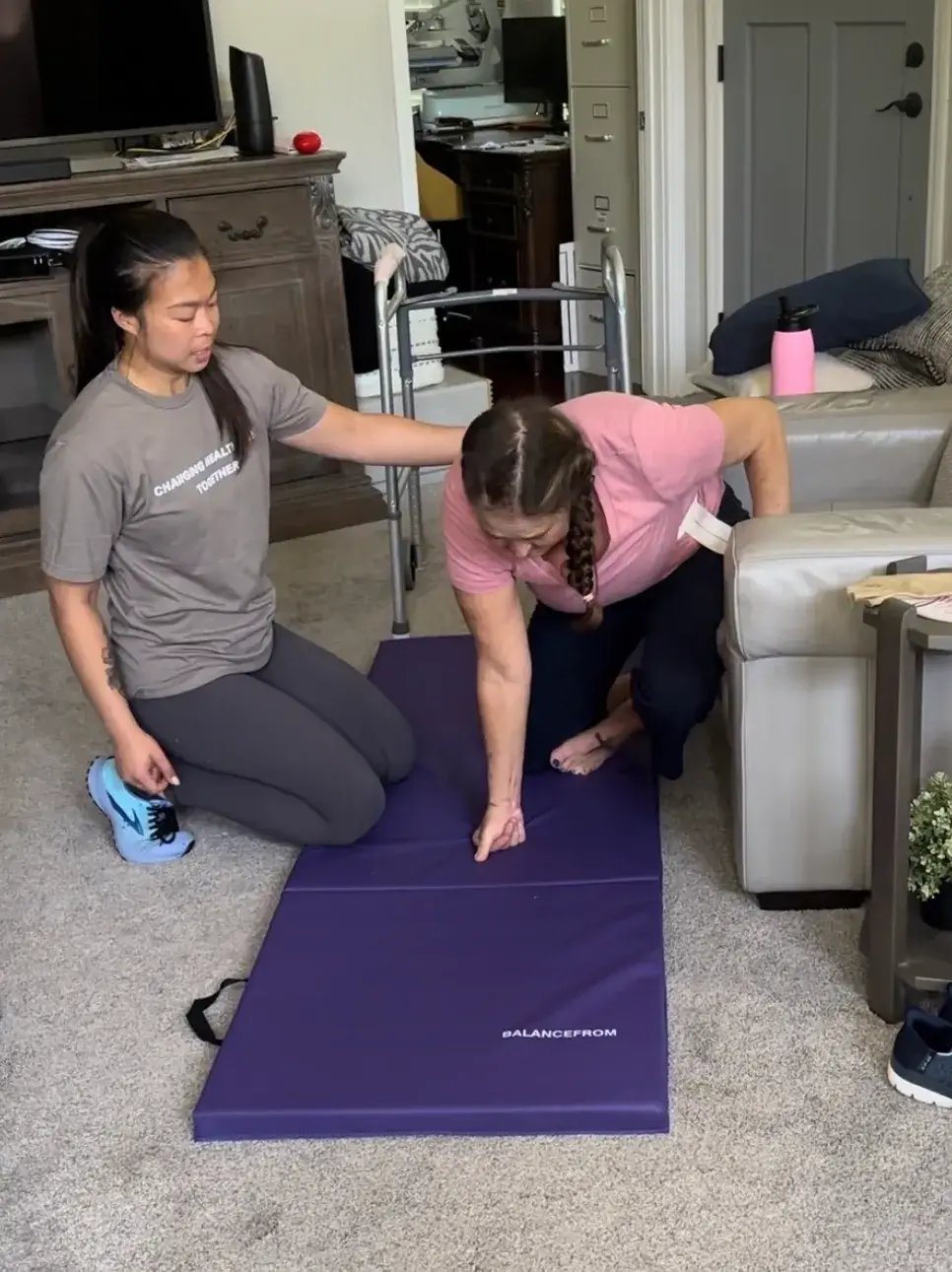
- Ability to move around in bed, get in and out of bed
- Ability to get in and out of different surfaces
- Ability to walk
- Improve strength
- Improve balance and coordination
- Fitting and prescribing customized wheelchair
- Prescribing assistive device and adaptive equipment
- Return to sport and recreational activities
Treatment for brain injury includes, but not limited to:
- Balance & Postural training
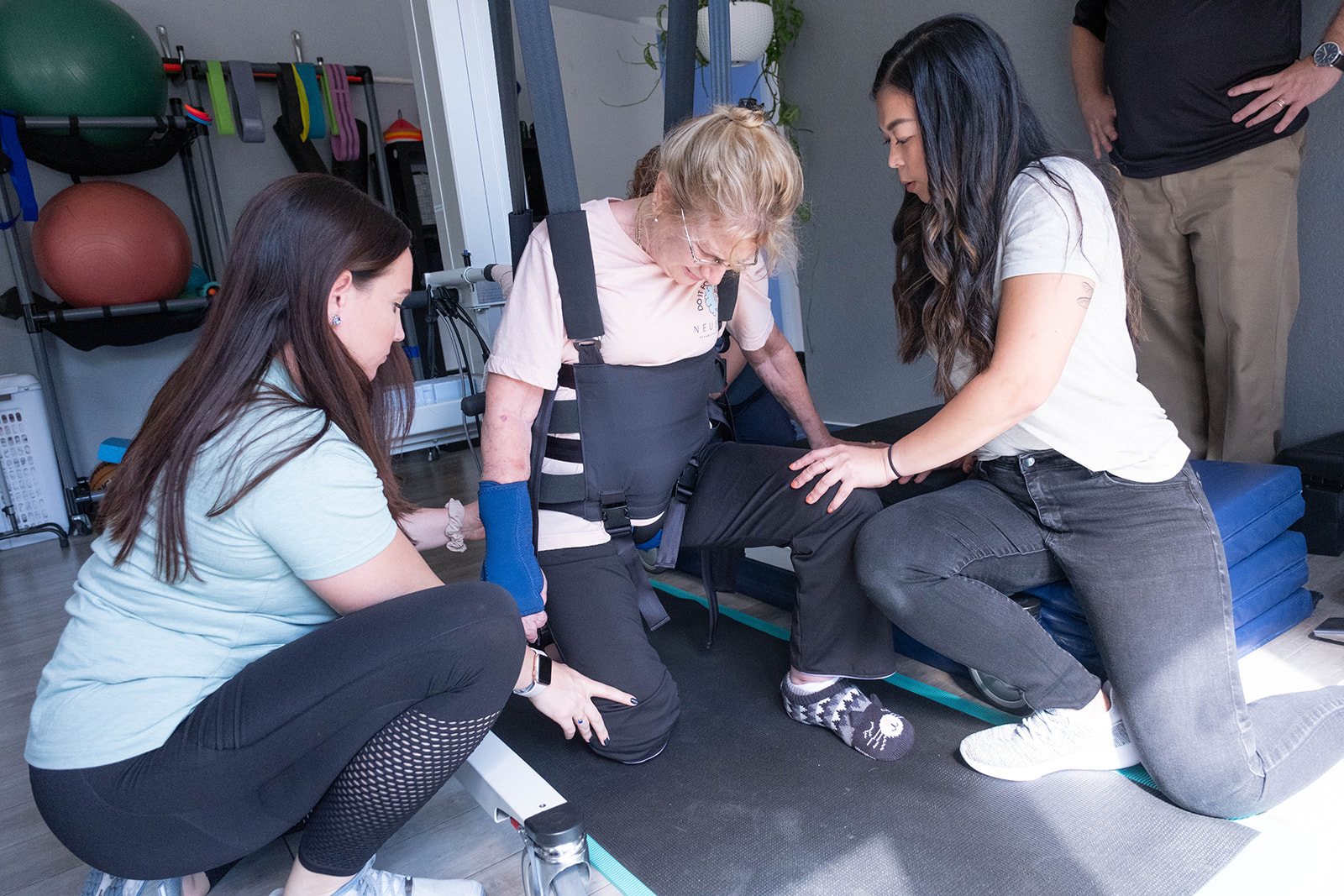
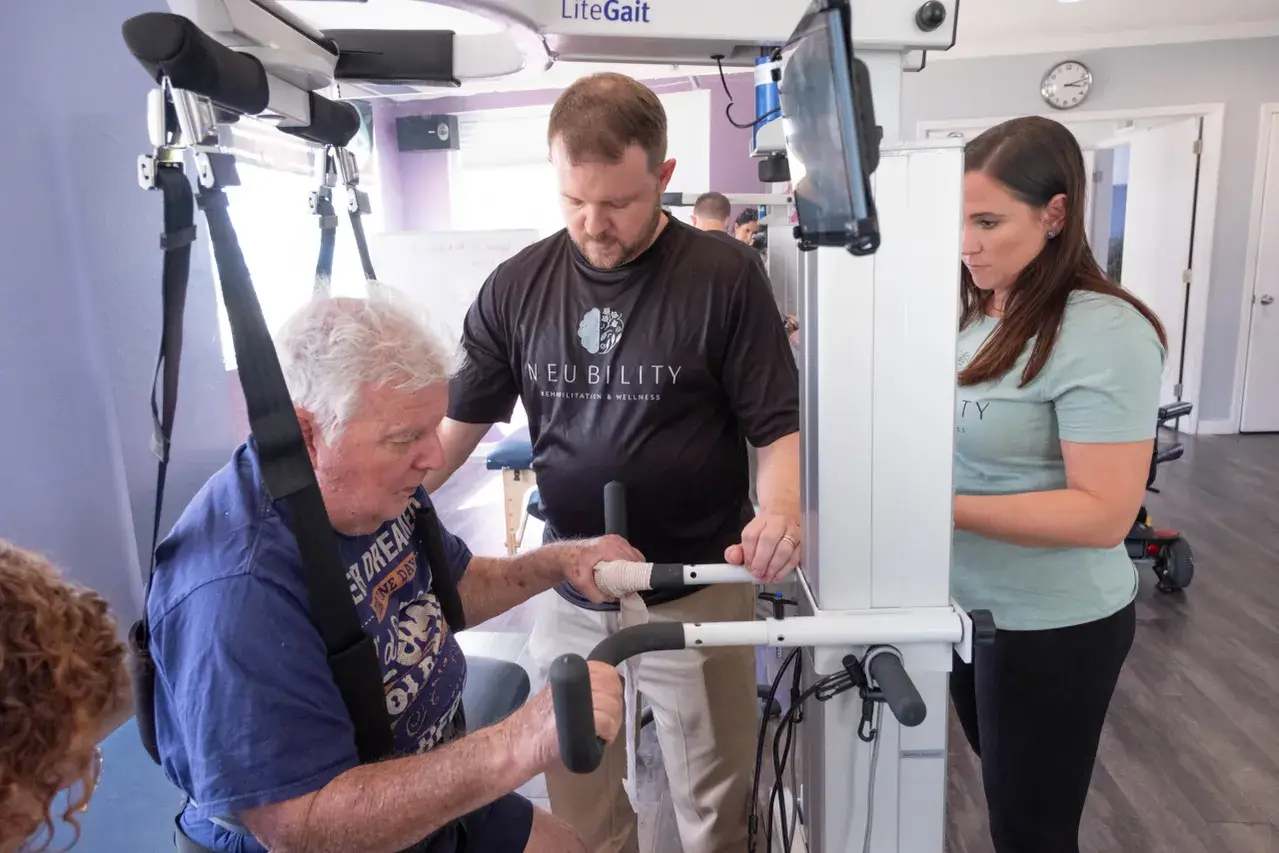
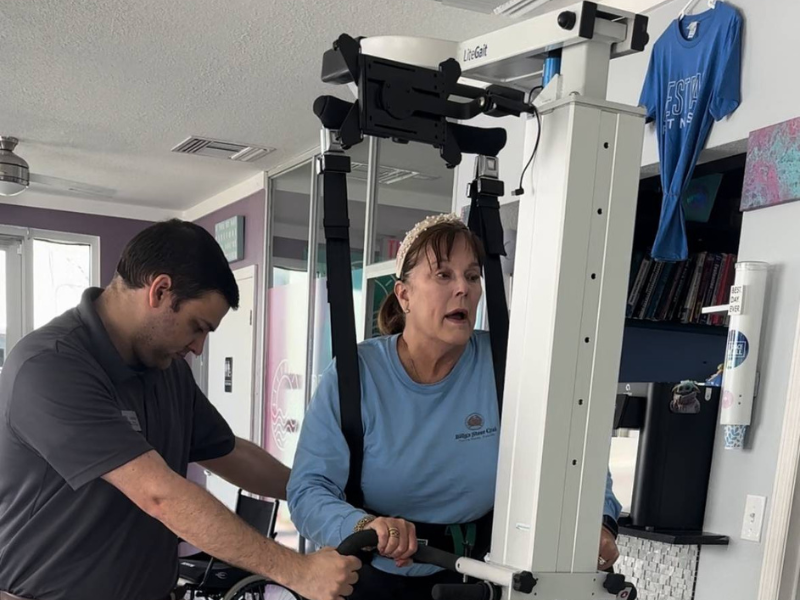
- Gait training, include High intensity gait training and body weight support walking training
- Strength training
- Endurance training
- Use of functional electrical stimulation
- Neuro muscular re-education
HOW CAN AN OCCUPATIONAL THERAPY (OT) HELP?
OT can help in various aspects of independent living for those with a brain injury. They are instrumental in providing tools and treatments to maximize independence. OT treatments for brain injury includes, but not limited to:
- Coping skills when it comes to emotional and behavioral problems.
- Activities of Daily Living (dressing, bathing, grooming, feeding, home management, medications management etc.)
- Memory strategies (checklists, planners, specialized apps)
- Caregiver education and training
- Recommendation of adaptive equipments to improve safety around the home & maximize independence
- Social skills
- Vocational rehab to get the person to return to work, school or other community activities
- Driving rehab
- Home modifications